Important Details
IJCRT - International Peer Reviewed, Open Access Journal, Multidisciplinary, Monthly, Nominal(Low) Fees for Professional Research Services International Journal of Creative Research Thoughts - IJCRT Peer Review Journal, Refereed Journal, Peer Reviewed Journal , Referred Journal and Indexed Journal, Open access, Online and Print Journal,international Journal Open Access, Accepted by Indian and foreign university ,IJCRT Followed Norms, guidelines, requirement, listing criteria and methodology of score/point also applied from: Scopus , Web of Science , UGC Approved , UGC CARE, UGC-CARE .
UGC Approved Journal No: 49023 (18)
UGC approval Link
https://ijcrt.org/ugc%20approval.jpg
All Policy and Approval
Please Like Our Facebook Page | CrossRef DOI and Hard copy of Certificate Provide if required. | www.IJCRT.org | editor@IJCRT.org | IJCRT WhatsApp +91 94294 58311
Publication Details:
- Paper Submission : 31-Oct-2026. Call For Paper (Volume 14 | Issue 9 | Month- September 2026)
- Acceptance/Rejection Notification: Within 02-04 Days.
- Paper Publish: Within 02-04 Days after submitting all documents.
-
Submit Your Paper Any time There No deadline.
-
Publication fees : 1570 INR for Indian author & 59$ for foreign International author.
Please Like Our Facebook Page | CrossRef DOI and Hard copy of Certificate Provide if required.
Licence and Indexing
Indexing In Google Scholar, SSRN, ResearcherID-Publons, Semantic Scholar | AI-Powered Research Tool, Microsoft Academic, Academia.edu, arXiv.org, Research Gate, CiteSeerX, ResearcherID Thomson Reuters, Mendeley : reference manager, DocStoc, ISSUU, Scribd, and many more | High Impact Factor: 7.97 | Digital object identifier (DOI) and Hard Copy of certificate Provided.




























Licence
DOI
ISSN Approved impact factor: 7.97 
Creative Common 
Valid as per new UGC Gazette regulations 

INTERNATIONAL JOURNAL OF CREATIVE RESEARCH THOUGHTS - IJCRT (IJCRT.ORG)
International Peer Reviewed & Refereed Journals, Open Access Journal
IJCRT Peer-Reviewed (Refereed) Journal as Per New UGC Rules.
ISSN Approved Journal No: 2320-2882 | Impact factor: 7.97 | ESTD Year: 2013
Call For Paper - Volume 14 | Issue 9 | Month- September 2026
Scholarly open access journals, Peer-reviewed, and Refereed Journals, Impact factor 7.97 (Calculate by google scholar and Semantic Scholar | AI-Powered Research Tool) , Multidisciplinary, Monthly, Indexing in all major database & Metadata, Citation Generator, Digital Object Identifier(CrossRef DOI)
IJCRT WhatsApp Contact
IJCRT Search Xplore - Search all paper by Paper Name , Author Name, and Title
Volume 12 | Issue 4 |
Volume 12 | Issue 4 | Month
Downlaod After Publication 1) Table of content index in PDF
2) Table of content index in HTML 2)Table of content index in HTML
3) Front Page 3) Front Page
4) Back Page 4) Back Page
5) Editor Board Member 5)Editor Board Member
6) OLD Style Issue 6)OLD Style Issue
 |
 |
|---|---|
| IJCRT Journal front page | IJCRT Journal Back Page |
Paper Title: Correlation of pronation of feet with balance and agility in Bharatnatyam dancers.
Author Name(s): Dr. Sharanya Bapat, Dr. Gargi Bhalekar
Published Paper ID: - IJCRT24A4259
Register Paper ID - 257625
Publisher Journal Name: IJPUBLICATION, IJCRT
DOI Member ID: 10.6084/m9.doi.one.IJCRT24A4259 and DOI :
Author Country : Indian Author, India, 411033 , Pune, 411033 , | Research Area: Health Science All Published Paper URL: http://ijcrt.org/viewfull.php?&p_id=IJCRT24A4259 Published Paper PDF: download.php?file=IJCRT24A4259 Published Paper PDF: http://www.ijcrt.org/papers/IJCRT24A4259.pdf
Your Paper Publication Details:
Title: CORRELATION OF PRONATION OF FEET WITH BALANCE AND AGILITY IN BHARATNATYAM DANCERS.
DOI (Digital Object Identifier) :
Pubished in Volume: 12 | Issue: 4 | Year: April 2024
Publisher Name : IJCRT | www.ijcrt.org | ISSN : 2320-2882
Subject Area: Health Science All
Author type: Indian Author
Pubished in Volume: 12
Issue: 4
Pages: k989-k999
Year: April 2024
Downloads: 353
E-ISSN Number: 2320-2882
Abstract
Abstract: Bharatnatyam is one of the ancient Indian classical dance form performed till today. In Bharatnatyam dance rhythmic stamping performed barefoot at varying speed may influence the height of medial longitudinal arch of the foot, causing pronation of feet. Balance, strength, co-ordination and agility are major demands for dancers. Any structural alteration in foot complex may have an impact on these components which might affect their performance and can cause foot injuries. Therefore, this study aims at finding correlation of pronation of feet with static and dynamic balance and agility. Aim: To correlate pronation of feet with balance and agility in Bharatnatyam dancers. Methodology: A correlational study was done in which 60 Bharatnatyam dancers with age group of 15 to 30 years, having 5 or more years of experience in Pune using purposive sampling as per inclusion and exclusion criteria. Navicular drop test was used to include dancers with flat foot. Three tests Stork stand test, Modified bass test and Hexagonal agility test were used to assess static balance, dynamic balance and agility respectively. Each test was explained and demonstrated and best results were noted. Data was collected, statistical analysis was done and results were tabulated. Data Analysis and Result: Data analyzed through non-parametric test using Graphpad Prism version 10.2.1. In Stork stand test, 43% dancers had fair grade and 57% dancers had poor static balance. In modified bass test, 55% had good, 26.6% had moderate and 18.2 % had fair dynamic balance. In Hexagon Agility test clockwise direction, 68% had fair, 9% had good, 18% needs improvement and 5% had poor agility. In Hexagon Agility test anti-clockwise direction, 73% had fair, 10% had good, 9% needs improvement and 8% had poor agility. Study found that there is no correlation (p-value>0.05) between pronation of feet with dynamic balance, non-significant (p-value>0.05) weak negative correlation was found between pronation of feet with static balance of right side and agility and there is significant (p-value<0.05) weak negative correlation between pronation of feet with static balance of left side. Conclusion: This study concluded that there is weak negative correlation between pronation of feet with static balance and there is no correlation between pronation of feet with dynamic balance and agility in Bharatnatyam dancers, but agility was fair to poor.
Licence: creative commons attribution 4.0
License
Creative Commons Attribution 4.0 and The Open Definition

Keywords
Bharatnatyam dancers, Pronation of Feet, Flat foot, Static Balance, Dynamic Balance, Agility.
License
Creative Commons Attribution 4.0 and The Open Definition
Paper Title: Innovation in Emergency Care With BlockChainDriven Patient Data Management
Author Name(s): Sohan Sakhare, Sanjeev Thakur, Rahul Reddy, Antima Yadav, Rupali Sathe
Published Paper ID: - IJCRT24A4258
Register Paper ID - 256467
Publisher Journal Name: IJPUBLICATION, IJCRT
DOI Member ID: 10.6084/m9.doi.one.IJCRT24A4258 and DOI :
Author Country : Indian Author, India, 410206 , Panvel, 410206 , | Research Area: Science and Technology Published Paper URL: http://ijcrt.org/viewfull.php?&p_id=IJCRT24A4258 Published Paper PDF: download.php?file=IJCRT24A4258 Published Paper PDF: http://www.ijcrt.org/papers/IJCRT24A4258.pdf
Your Paper Publication Details:
Title: INNOVATION IN EMERGENCY CARE WITH BLOCKCHAINDRIVEN PATIENT DATA MANAGEMENT
DOI (Digital Object Identifier) :
Pubished in Volume: 12 | Issue: 4 | Year: April 2024
Publisher Name : IJCRT | www.ijcrt.org | ISSN : 2320-2882
Subject Area: Science and Technology
Author type: Indian Author
Pubished in Volume: 12
Issue: 4
Pages: k982-k988
Year: April 2024
Downloads: 276
E-ISSN Number: 2320-2882
Abstract
This paper proposes a novel framework aimed at enhancing healthcare management systems, particularly in emergency scenarios, by leveraging blockchain technology. The framework integrates Hyperledger Fabric, IPFS (Interplanetary File System), to establish a decentralized network enabling seamless access to patient data across hospitals and medical communities. The motivation stems from the critical need to ensure prompt and informed medical interventions for unconscious or unidentified patients in emergency departments. The system assigns a unique identifier (UUID) to each individual, ensuring data privacy and security through hash encryption. Hospitals within the network utilize this UUID to retrieve patient records securely, even in emergency situations, where biometric or RFID-based identification methods are employed. Central to the framework is a web application, providing hierarchical access for administrators, doctors, and patients. The application facilitates secure data exchange and authentication, utilizing databases for storage and advanced authentication mechanisms. Additionally, a summarization AI enhances the efficiency of medical reports. The server communicates with a server via a REST API, facilitating validation of doctor and patient identities before initiating transactions. Smart contracts, executed via Hyperledger Fabric, ensure transaction integrity and accountability. servers validate requests and maintain transaction states, ensuring transparency and accountability in the network.
Licence: creative commons attribution 4.0
License
Creative Commons Attribution 4.0 and The Open Definition
Keywords
Hyperledger Fabric IPFS (Inter Planetary File System), Hospital Management Systems, Data Integrity, Accessibility, Privacy Decentralized Network, Decentralized Document Storage, Technological Integration.
License
Creative Commons Attribution 4.0 and The Open Definition
Paper Title: An Update on the Use of Lipid-Based Nanocarriers for the Intrapulmonary Administration of Anticancer Drugs for the Treatment of Lung Cancer
Author Name(s): Mr. Sabir C. Pansare, Mr. Anil B. Panchal
Published Paper ID: - IJCRT24A4257
Register Paper ID - 257472
Publisher Journal Name: IJPUBLICATION, IJCRT
DOI Member ID: 10.6084/m9.doi.one.IJCRT24A4257 and DOI :
Author Country : Indian Author, India, 412216 , Pune, 412216 , | Research Area: Pharmacy All Published Paper URL: http://ijcrt.org/viewfull.php?&p_id=IJCRT24A4257 Published Paper PDF: download.php?file=IJCRT24A4257 Published Paper PDF: http://www.ijcrt.org/papers/IJCRT24A4257.pdf
Your Paper Publication Details:
Title: AN UPDATE ON THE USE OF LIPID-BASED NANOCARRIERS FOR THE INTRAPULMONARY ADMINISTRATION OF ANTICANCER DRUGS FOR THE TREATMENT OF LUNG CANCER
DOI (Digital Object Identifier) :
Pubished in Volume: 12 | Issue: 4 | Year: April 2024
Publisher Name : IJCRT | www.ijcrt.org | ISSN : 2320-2882
Subject Area: Pharmacy All
Author type: Indian Author
Pubished in Volume: 12
Issue: 4
Pages: k961-k981
Year: April 2024
Downloads: 320
E-ISSN Number: 2320-2882
Abstract
Abstract: Lung cancer is still the most frequent cancer worldwide and the leading cause of cancer-related fatalities. Even though lung cancer diagnosis and treatment methods have advanced significantly, many patients still show resistant reactions to tried-and-true treatments. This emphasizes the vital need for the innovation and development of novel therapeutic approaches. Nanotechnology has become increasingly important in the treatment of cancer recently because it facilitates improved medication delivery, specificity, lower dosages, and effective elimination. Low-particle-size nanoparticles, or lipid nanoparticles (LNPs), can be tailored for certain delivery purposes. The present review centres on the importance and usefulness of lipid-based theragnostic nanoparticles for cancer treatment, as well as the elements, fabrication process, and variables influencing lipid nanoparticles. preparation, as well as the LNPs' clinical trials and patents. Chemotherapy, photodynamic treatment, immunotherapy, gene therapy, photothermal therapy, and sonodynamic therapy are some of the therapeutic methods used in lung cancer therapy. applications for diagnostic imaging such as NIR, PET, CT, MRI, and optical fluorescence imaging. As LNPs are utilized increasingly often in lung cancer therapy, current research aids in providing answers to problems with traditional treatments. Because of their capacity to adjust to certain medical treatments and the application of with their many parts, they could be used to treat lung cancer. To sum up, by increasing bioavailability, encouraging drug delivery, and reducing barriers, LNPs provide a workable treatment plan for lung cancer. They can contain a variety of therapeutics, including immunomodulatory drugs, siRNA, and chemotherapeutic drugs, for individualized treatment. To effectively address scalability, long-term safety, and optimized manufacturing procedures for lung cancer therapy, more research and clinical validation are needed.
Licence: creative commons attribution 4.0
License
Creative Commons Attribution 4.0 and The Open Definition
Keywords
Keywords: lung cancer, lipid-based nanocarriers, liposome, drug delivery system
License
Creative Commons Attribution 4.0 and The Open Definition
Paper Title: Takd Evasion on Keylogger
Author Name(s): Shubham Kumar, Anjish Kumar, Dr. Brijesh Kr Singh
Published Paper ID: - IJCRT24A4256
Register Paper ID - 257262
Publisher Journal Name: IJPUBLICATION, IJCRT
DOI Member ID: 10.6084/m9.doi.one.IJCRT24A4256 and DOI :
Author Country : Indian Author, India, 110091 , New Delhi , 110091 , | Research Area: Science and Technology Published Paper URL: http://ijcrt.org/viewfull.php?&p_id=IJCRT24A4256 Published Paper PDF: download.php?file=IJCRT24A4256 Published Paper PDF: http://www.ijcrt.org/papers/IJCRT24A4256.pdf
Your Paper Publication Details:
Title: TAKD EVASION ON KEYLOGGER
DOI (Digital Object Identifier) :
Pubished in Volume: 12 | Issue: 4 | Year: April 2024
Publisher Name : IJCRT | www.ijcrt.org | ISSN : 2320-2882
Subject Area: Science and Technology
Author type: Indian Author
Pubished in Volume: 12
Issue: 4
Pages: k954-k960
Year: April 2024
Downloads: 284
E-ISSN Number: 2320-2882
Abstract
The development of technology is absolutely fast and in the field of cybersecurity its increasing exponentially. Keylogger is a tool which is rapidly developing because it is rarely recognized as a malicious program by antivirus. We are trying to develop a software which will focus on behaviour based approach of this problem rather focusing on signature based approach. We are going to work on immune based inspired Dendritic Cell Algorithm (DCA). It will perform multi data fusion. We will use malware detecting techniques like Anti Hook technique and HoneyID through this we can overcome these kind of attacks.
Licence: creative commons attribution 4.0
License
Creative Commons Attribution 4.0 and The Open Definition
Keywords
Dendritic cell, fusion, malware
License
Creative Commons Attribution 4.0 and The Open Definition
Paper Title: Manhole Visual Inspection System Using Deep Learning
Author Name(s): VARSHA S, SINDHU P D, VIKRAM R
Published Paper ID: - IJCRT24A4255
Register Paper ID - 256924
Publisher Journal Name: IJPUBLICATION, IJCRT
DOI Member ID: 10.6084/m9.doi.one.IJCRT24A4255 and DOI :
Author Country : Indian Author, India, 635130 , Hosur, 635130 , | Research Area: Science and Technology Published Paper URL: http://ijcrt.org/viewfull.php?&p_id=IJCRT24A4255 Published Paper PDF: download.php?file=IJCRT24A4255 Published Paper PDF: http://www.ijcrt.org/papers/IJCRT24A4255.pdf
Your Paper Publication Details:
Title: MANHOLE VISUAL INSPECTION SYSTEM USING DEEP LEARNING
DOI (Digital Object Identifier) :
Pubished in Volume: 12 | Issue: 4 | Year: April 2024
Publisher Name : IJCRT | www.ijcrt.org | ISSN : 2320-2882
Subject Area: Science and Technology
Author type: Indian Author
Pubished in Volume: 12
Issue: 4
Pages: k949-k953
Year: April 2024
Downloads: 314
E-ISSN Number: 2320-2882
Abstract
Manhole is a covered opening in a street or public area that provides access to a utility or maintenance vault underground. Manholes are typically constructed with a cover or lid that can be removed to allow entry for inspection, maintenance, or repair of utility infrastructure such as sewers, storm drains, telecommunications, electrical, or gas systems. Manholes are often located in public areas, and their covers need to be secure to prevent accidents. Broken or missing manhole covers can pose serious safety hazards to pedestrians, cyclists, and drivers. The increasing risk of traffic accidents due to the deterioration of manhole covers necessitates a more efficient and reliable inspection method. Manual observation, the traditional approach to monitoring manhole covers, faces challenges such as labour shortages and ethical concerns. Identifying open or broken manholes using image processing algorithms faces challenges related to variable image quality, complex backgrounds, scale changes, and dynamic environmental conditions. In response to this difficulty the aim of this project proposes an automated system architecture based on deep learning models to replace the manual examination process. The project involves the development of a deep learning model capable of analysing images of manhole covers. The model undergoes training using a diverse dataset to accurately classify covers into categories such as 'Close,' 'Open,' 'Broken,' and 'No Manhole.' Additionally, the system incorporates advanced techniques, including Convolutional Neural Networks (CNN) for image classification and You Only Look Once version 8 (YOLOv8) for accurate prediction and localization using UAV Images or CCTV Footages. The implementation of this deep learning-based architecture offers a promising avenue for enhancing urban safety and streamlining infrastructure maintenance processes.
Licence: creative commons attribution 4.0
License
Creative Commons Attribution 4.0 and The Open Definition
Keywords
Deep Learning, CNN, YOLOv8, UAV.
License
Creative Commons Attribution 4.0 and The Open Definition
Paper Title: Exploring the Prohibition of Human Trafficking and Forced Labour: A Comprehensive Analysis of Article 23 of the Indian Constitution
Author Name(s): Anshika Tiwari, Rahul Singh
Published Paper ID: - IJCRT24A4254
Register Paper ID - 257603
Publisher Journal Name: IJPUBLICATION, IJCRT
DOI Member ID: 10.6084/m9.doi.one.IJCRT24A4254 and DOI :
Author Country : Indian Author, India, 208002 , Kanpur , 208002 , | Research Area: Social Science All Published Paper URL: http://ijcrt.org/viewfull.php?&p_id=IJCRT24A4254 Published Paper PDF: download.php?file=IJCRT24A4254 Published Paper PDF: http://www.ijcrt.org/papers/IJCRT24A4254.pdf
Your Paper Publication Details:
Title: EXPLORING THE PROHIBITION OF HUMAN TRAFFICKING AND FORCED LABOUR: A COMPREHENSIVE ANALYSIS OF ARTICLE 23 OF THE INDIAN CONSTITUTION
DOI (Digital Object Identifier) :
Pubished in Volume: 12 | Issue: 4 | Year: April 2024
Publisher Name : IJCRT | www.ijcrt.org | ISSN : 2320-2882
Subject Area: Social Science All
Author type: Indian Author
Pubished in Volume: 12
Issue: 4
Pages: k944-k948
Year: April 2024
Downloads: 371
E-ISSN Number: 2320-2882
Abstract
The relevance of Article 23 of the Indian Constitution stems from its status as a basic pillar of human rights protection. It acts as a lighthouse for the abolition of heinous crimes such as human trafficking and forced labor, both of which violate individuals' fundamental liberties and dignity. This research study examines art 23 from its historical roots to its modern significance, focusing on several factors such as legal interpretation, legislative activities, and implementation issues. The historical growth of Article 23 illustrates the country's dedication to correcting the injustices of the colonial era, when exploitation through indentured labor and trafficking was common. The inclusion of Article 23 in the Constitution demonstrates India's will to right these historical wrongs and build a society based on justice, liberty, and equality. The judiciary's role in interpreting and implementing Article 23 provisions is fundamental to the analysis. Courts have defined the boundaries of forced labor and human trafficking, as well as the obligations of the state and the rights of victims, through seminal rulings. These judicial interpretations have impacted legislative changes and policy frameworks intended to tackle these offenses in addition to shaping legal doctrine. Another important component of the research is legislative measures. Acts like the Child Labor (Prohibition and Regulation) Act, the Bonded Labor System (Abolition) Act, and the Immoral Traffic (Prevention) Act provide the legal toolkit for combating forced labor and human trafficking. The research aims to improve the legal apparatus for fighting these crimes, and crucial components of that apparatus include assessing the efficacy of existing laws, identifying gaps, and suggesting legislative improvements. The article also explores the incidence of forced labor and human trafficking in India, emphasizing the complex nature of these issues and their underlying causes. The analysis offers insights into the socio-economic aspects influencing vulnerability by looking at empirical data and case studies. This information helps to develop targeted interventions and preventive actions.
Licence: creative commons attribution 4.0
License
Creative Commons Attribution 4.0 and The Open Definition
Keywords
Article 23, Indian Constitution, trafficking, forced labor, human rights, judicial interpretation, legislative measures, challenges, solutions
License
Creative Commons Attribution 4.0 and The Open Definition
Paper Title: Exploring the Prohibition of Human Trafficking and Forced Labour: A Comprehensive Analysis of Article 23 of the Indian Constitution
Author Name(s): Anshika Tiwari, Rahul Singh
Published Paper ID: - IJCRT24A4253
Register Paper ID - 257602
Publisher Journal Name: IJPUBLICATION, IJCRT
DOI Member ID: 10.6084/m9.doi.one.IJCRT24A4253 and DOI :
Author Country : Indian Author, India, 208002 , Kanpur , 208002 , | Research Area: Social Science All Published Paper URL: http://ijcrt.org/viewfull.php?&p_id=IJCRT24A4253 Published Paper PDF: download.php?file=IJCRT24A4253 Published Paper PDF: http://www.ijcrt.org/papers/IJCRT24A4253.pdf
Your Paper Publication Details:
Title: EXPLORING THE PROHIBITION OF HUMAN TRAFFICKING AND FORCED LABOUR: A COMPREHENSIVE ANALYSIS OF ARTICLE 23 OF THE INDIAN CONSTITUTION
DOI (Digital Object Identifier) :
Pubished in Volume: 12 | Issue: 4 | Year: April 2024
Publisher Name : IJCRT | www.ijcrt.org | ISSN : 2320-2882
Subject Area: Social Science All
Author type: Indian Author
Pubished in Volume: 12
Issue: 4
Pages: k935-k943
Year: April 2024
Downloads: 350
E-ISSN Number: 2320-2882
Abstract
The relevance of Article 23 of the Indian Constitution stems from its status as a basic pillar of human rights protection. It acts as a lighthouse for the abolition of heinous crimes such as human trafficking and forced labor, both of which violate individuals' fundamental liberties and dignity. This research study examines art 23 from its historical roots to its modern significance, focusing on several factors such as legal interpretation, legislative activities, and implementation issues. The historical growth of Article 23 illustrates the country's dedication to correcting the injustices of the colonial era, when exploitation through indentured labor and trafficking was common. The inclusion of Article 23 in the Constitution demonstrates India's will to right these historical wrongs and build a society based on justice, liberty, and equality. The judiciary's role in interpreting and implementing Article 23 provisions is fundamental to the analysis. Courts have defined the boundaries of forced labor and human trafficking, as well as the obligations of the state and the rights of victims, through seminal rulings. These judicial interpretations have impacted legislative changes and policy frameworks intended to tackle these offenses in addition to shaping legal doctrine. Another important component of the research is legislative measures. Acts like the Child Labor (Prohibition and Regulation) Act, the Bonded Labor System (Abolition) Act, and the Immoral Traffic (Prevention) Act provide the legal toolkit for combating forced labor and human trafficking. The research aims to improve the legal apparatus for fighting these crimes, and crucial components of that apparatus include assessing the efficacy of existing laws, identifying gaps, and suggesting legislative improvements. The article also explores the incidence of forced labor and human trafficking in India, emphasizing the complex nature of these issues and their underlying causes. The analysis offers insights into the socio-economic aspects influencing vulnerability by looking at empirical data and case studies. This information helps to develop targeted interventions and preventive actions.
Licence: creative commons attribution 4.0
License
Creative Commons Attribution 4.0 and The Open Definition
Keywords
Article 23, Indian Constitution, trafficking, forced labor, human rights, judicial interpretation, legislative measures, challenges, solutions
License
Creative Commons Attribution 4.0 and The Open Definition
Paper Title: Unveiling the Gender Dynamics in Human Trafficking: A Critical Analysis
Author Name(s): Anshika Tiwari, Rahul Singh
Published Paper ID: - IJCRT24A4252
Register Paper ID - 257606
Publisher Journal Name: IJPUBLICATION, IJCRT
DOI Member ID: 10.6084/m9.doi.one.IJCRT24A4252 and DOI :
Author Country : Indian Author, India, 208002 , Kanpur , 208002 , | Research Area: Social Science All Published Paper URL: http://ijcrt.org/viewfull.php?&p_id=IJCRT24A4252 Published Paper PDF: download.php?file=IJCRT24A4252 Published Paper PDF: http://www.ijcrt.org/papers/IJCRT24A4252.pdf
Your Paper Publication Details:
Title: UNVEILING THE GENDER DYNAMICS IN HUMAN TRAFFICKING: A CRITICAL ANALYSIS
DOI (Digital Object Identifier) :
Pubished in Volume: 12 | Issue: 4 | Year: April 2024
Publisher Name : IJCRT | www.ijcrt.org | ISSN : 2320-2882
Subject Area: Social Science All
Author type: Indian Author
Pubished in Volume: 12
Issue: 4
Pages: k932-k934
Year: April 2024
Downloads: 278
E-ISSN Number: 2320-2882
Abstract
Human trafficking is a global issue that affects millions of individuals annually, with gender dynamics playing a significant role in shaping the vulnerability and experiences of victims. This research article explores the complex web of societal norms, economic disparities, and systemic inequalities that fuel gender-based vulnerabilities to human trafficking. Traditional gender roles often confine women and girls to subordinate positions, making them disproportionately vulnerable to exploitation. Men and boys may face heightened risks due to factors such as economic instability, migration, and armed conflict. Intersectional factors such as race, ethnicity, sexual orientation, and disability also compound vulnerabilities, marginalizing certain groups within society. Both gender-based violence and coercion permeate both forms of exploitation, perpetuating cycles of abuse and trauma for victims. The differential responses of law enforcement agencies, legal systems, and support mechanisms to human trafficking further underscore the gendered nature of this crime. Female victims often encounter victim-blaming attitudes and stigma when seeking assistance, while male victims may face challenges in disclosing their experiences due to societal expectations of masculinity. The availability and accessibility of gender-sensitive support services vary widely, with many victims, particularly men and gender non-conforming individuals, facing barriers to accessing essential resources. To address the gender dynamics of human trafficking, holistic and intersectional approaches are needed. Efforts to combat trafficking must challenge traditional gender norms, empower individuals to assert their rights, and create pathways to economic opportunity and social inclusion. Law enforcement agencies and support organizations must adopt victim-centered approaches that prioritize the safety, dignity, and well-being of all victims, regardless of gender.
Licence: creative commons attribution 4.0
License
Creative Commons Attribution 4.0 and The Open Definition
Keywords
Human trafficking, Gender dynamics, Exploitation, Vulnerability, Intersectionality, Law enforcement, Support systems.
License
Creative Commons Attribution 4.0 and The Open Definition
Paper Title: The impact of social media on small and medium enterprises
Author Name(s): Ms. Ashwi Anand, Mr. Samarth Pande
Published Paper ID: - IJCRT24A4251
Register Paper ID - 256626
Publisher Journal Name: IJPUBLICATION, IJCRT
DOI Member ID: 10.6084/m9.doi.one.IJCRT24A4251 and DOI :
Author Country : Indian Author, India, 226022 , lucknow, 226022 , | Research Area: Management All Published Paper URL: http://ijcrt.org/viewfull.php?&p_id=IJCRT24A4251 Published Paper PDF: download.php?file=IJCRT24A4251 Published Paper PDF: http://www.ijcrt.org/papers/IJCRT24A4251.pdf
Your Paper Publication Details:
Title: THE IMPACT OF SOCIAL MEDIA ON SMALL AND MEDIUM ENTERPRISES
DOI (Digital Object Identifier) :
Pubished in Volume: 12 | Issue: 4 | Year: April 2024
Publisher Name : IJCRT | www.ijcrt.org | ISSN : 2320-2882
Subject Area: Management All
Author type: Indian Author
Pubished in Volume: 12
Issue: 4
Pages: k922-k931
Year: April 2024
Downloads: 257
E-ISSN Number: 2320-2882
Abstract
Small and medium enterprises (SMEs) are widely recognized as significant contributors to the economic development of any nation. In today's digital era, social media has emerged as a powerful communication and interaction tool, not only for individuals but also for businesses. This study examines the impact of social media networking sites on small businesses and the level of social media penetration in India. Businesses are increasingly leveraging social media as a marketing tool to connect with their target customers, and India is experiencing a rapid growth in social media usage. With people interconnected on a global scale, online interactions have become integral to daily life. For instance, a simple action like "Liking" a product on Facebook can quickly gain viral traction across various social media platforms. Consumer trust in recommendations from acquaintances often surpasses that of traditional advertising methods like glossy magazine ads. Many individuals now prefer to discover products and services through social media channels, such as viewing product reviews on YouTube, which are then shared across multiple social media platforms. A review of existing literature suggests a positive correlation between the use of social media networking sites and the motivation of small business entrepreneurs. They are increasingly inclined to utilize social media platforms to promote their businesses and engage with their target audience.
Licence: creative commons attribution 4.0
License
Creative Commons Attribution 4.0 and The Open Definition
Keywords
social media, small and medium enterprises(SMEs), social media marketing(SMM)
License
Creative Commons Attribution 4.0 and The Open Definition
Paper Title: Indian Culture and Diplomacy in the Narendra Modi Era
Author Name(s): Km Rachna Devi
Published Paper ID: - IJCRT24A4250
Register Paper ID - 256556
Publisher Journal Name: IJPUBLICATION, IJCRT
DOI Member ID: 10.6084/m9.doi.one.IJCRT24A4250 and DOI :
Author Country : Indian Author, India, 250645 , Baraut, 250645 , | Research Area: Social Science All Published Paper URL: http://ijcrt.org/viewfull.php?&p_id=IJCRT24A4250 Published Paper PDF: download.php?file=IJCRT24A4250 Published Paper PDF: http://www.ijcrt.org/papers/IJCRT24A4250.pdf
Your Paper Publication Details:
Title: INDIAN CULTURE AND DIPLOMACY IN THE NARENDRA MODI ERA
DOI (Digital Object Identifier) :
Pubished in Volume: 12 | Issue: 4 | Year: April 2024
Publisher Name : IJCRT | www.ijcrt.org | ISSN : 2320-2882
Subject Area: Social Science All
Author type: Indian Author
Pubished in Volume: 12
Issue: 4
Pages: k914-k921
Year: April 2024
Downloads: 298
E-ISSN Number: 2320-2882
Abstract
The additional space that cultural diplomacy affords softens the interest-driven foreign policy's hard edges, promoting a positive public opinion scrutinizing foreign policy. Because culture is a vital tool for examining the shared history of civilization, cultural diplomacy can be used to safeguard a state's foreign policy. Samuel Huntington, who originated the phrase "Clash of civilizations," argued that the rising tension could be reduced by utilizing socioeconomic leverage, which makes up the elements of Joseph Nye's now-famous term "soft power." Cultural diplomacy not only benefits a country's economy, politics, and society but also its defense and security. In the case of India, which is one of the oldest, most profound, and most diversified civilizations in the world with a long-lasting global impact, such cultural diplomacy is particularly crucial. India's ancient civilizational ties to the other Southeast Asian nations create a shared cultural legacy that can foster good relationships and support a shared regional identity. Such cultural alliances are advantageous for both India and its neighbors, who can use India as a cultural ally to protect their national ethos against hostile external forces. Cultural diplomacy can help with communication, unifying ideals, and resolving conflicting national interests for a broader regional consensus, extending to East Asia, which has long embraced India's dharmic traditions. Globally, India's historic tradition of peace, tolerance, and diversity can serve as a model for reconciling rival states and the various clashing ancient and modern civilizations of the entire world. The enormous and distinctive heritage of India, which already has an impact on the world due to its intrinsic value, is a reflection of the country's potential soft power and cultural diplomacy. This is demonstrated by the popularity of Indian yogic teachings and dharmic traditions, which historically had their roots in India and are now practiced all over the world. In light of cultural diplomacy, this practice should be encouraged. In addition to advancing Indian cultural diplomacy, the Modi administration has revitalized its institutional frameworks for preserving and fostering India's cultural heritage. The Indian Council for Cultural Relations (ICCR) efforts to advance cultural diplomacy since the Modi administration took office in 2014 are noteworthy. Through its cultural centers, which are dispersed across 37 nations, it has organized cultural festivals in India and abroad, appointed Chairs of Indian Studies abroad, offered scholarships and fellowships to foreign students and scholars to study in India, and engaged in other similar activities, thereby fostering not only cultural but also more extensive ties with nations around the world. This is evidenced by the rising demand for yoga sessions at ICCR's international centers.
Licence: creative commons attribution 4.0
License
Creative Commons Attribution 4.0 and The Open Definition
Keywords
Cultural Diplomacy, Foreign Policy, India, Narendra Modi, Indian Culture
License
Creative Commons Attribution 4.0 and The Open Definition
Call For Paper September 2026
Call For Papers
September 2026
Volume 14 | Issue 9
Last Date :
31-Oct-2026
Submit Manuscript Online Impact Factor: 7.97 Review Results : Within 02-03 Days Paper Publication : Within 02-03 Days
September 2026
Volume 14 | Issue 9
Last Date :
31-Oct-2026
Submit Manuscript Online Impact Factor: 7.97 Review Results : Within 02-03 Days Paper Publication : Within 02-03 Days
Published Issue Details
For Authors
Forms / Downloads
Other IMP Links
Indexing Partner
Research Area
LICENSE





ISSN and 7.97 Impact Factor Details
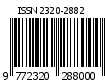
ISSN: 2320-2882 Impact Factor: 7.97 and ISSN APPROVED Journal Starting Year (ESTD) : 2013


ISSN and 7.97 Impact Factor Details
ISSN: 2320-2882 Impact Factor: 7.97 and ISSN APPROVED Journal Starting Year (ESTD) : 2013
DOI Details
CONFERENCE
CONFERENCE MANAGMENT & PUBLICATION CONFERENCE PROPOSAL
RECENT CONFERENCE

CONFERENCE PROPOSAL CONFERENCE PROCEEDINGS
CONFERENCE PROPOSAL CONFERENCE PROCEEDINGS
For Reviewer /Referral (RMS) Earn 500 per paper
Important Links
NEWS & Conference
Digital Library
IJCRT RMS | Earn 500 Per Paper.

Open Access


LICENSE
Indexing Partner
Scholarly open access journals, Peer-reviewed, and Refereed Journals, Impact factor 7.97 (Calculate by google scholar and Semantic Scholar | AI-Powered Research Tool) , Multidisciplinary, Monthly, Indexing in all major database & Metadata, Citation Generator, Digital Object Identifier(DOI)